


By Norbu Sherpa, Everest Summiteer (7 Times)
I have spent most of my life in the mountains. Long before I guided climbers on Mount Everest, before documentaries and interviews, and before people began asking me about summits and records, I was simply a boy from Ghunsa village. Like many children growing up in the Himalayas, mountains were not destinations for me. They were home.
Today, when people join me on the Everest Base Camp Trek, they often assume that after so many years in the mountains, the journey has become routine. The truth is that no two treks are ever the same. The trail remains unchanged in many ways, but the people walking it are always different. Every season I meet trekkers carrying dreams, fears, personal stories, and expectations. Some have spent years saving money to stand beneath Everest. Some arrive after recovering from illness. Others come after losing someone they love. The mountain welcomes them all, but it never treats them the same.
One thing I have learned after decades in the Himalayas is that Everest Base Camp is rarely about Everest itself. Most people arrive believing they are coming to see the world’s highest mountain. By the time they leave, they realize they were actually on a journey to discover something about themselves.
Lukla: Where Excitement Is Often Mistaken for Confidence
The adventure begins in Lukla, a place famous for its airport but often misunderstood by visitors. Many trekkers step off the aircraft feeling victorious because they have successfully completed what is considered one of the world’s most dramatic flights. Cameras come out immediately. People take photographs beside the runway. Everyone is excited.
What most people don’t realize is that the real journey has not started yet.
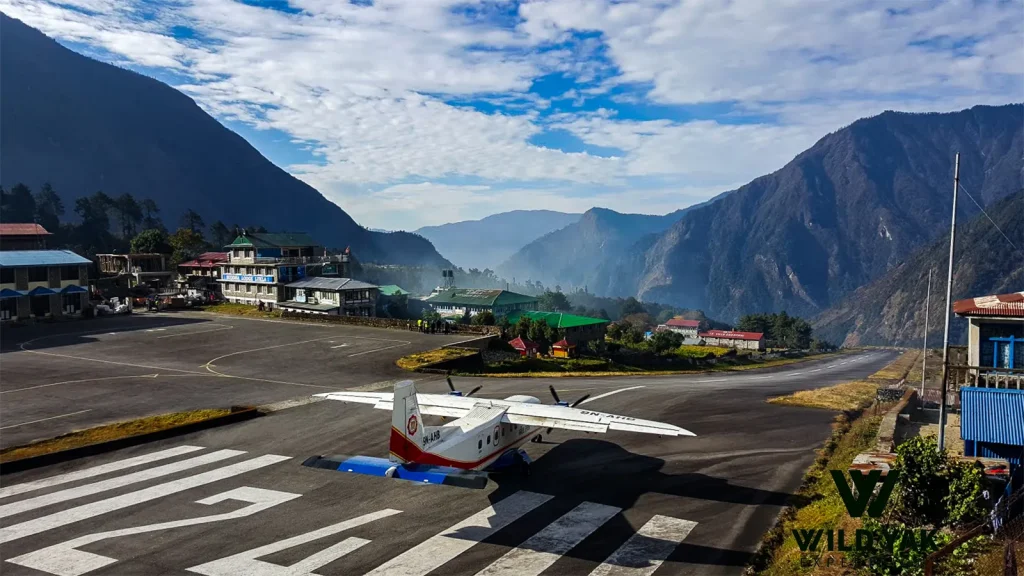
Whenever I meet a new trekking group in Lukla, I spend more time observing than speaking. Years of guiding have taught me that the first few hours often reveal a lot about how someone will handle the trek ahead. There is usually one person who wants to walk quickly, one person who constantly asks about altitude sickness, one person who worries about every small detail, and one person who appears completely relaxed.
The interesting thing is that the strongest-looking trekkers are rarely the ones I worry about. The mountain has humbled too many athletes, marathon runners, and gym enthusiasts for me to make assumptions based on appearance alone.
As we begin walking toward Phakding, the trail follows the Dudh Koshi River through forests of pine and rhododendron. Small villages appear around every bend, and colourful prayer flags flutter in the wind. To first-time visitors, the scenery feels almost unreal. To me, these landscapes are filled with memories.
I know where old bridges once stood before they were replaced. Also, where the modern lodges are. I remember trails that looked different twenty years ago. I remember friends who carried supplies along these paths long before tourism transformed the region. Every corner of the trail tells a story if you have spent enough years listening.
The walk itself is relatively easy, and this is often where the first mistake occurs. People become comfortable. They walk faster than they should. They forget that Everest is a high-altitude journey, not a hiking competition.
I often tell trekkers that the first lesson of the Everest Base Camp Trek is patience. The mountain rewards those who move steadily and punishes those who rush. It is a lesson that seems simple, but many people only understand it after the mountain teaches it directly.
By the time we arrive in Phakding, most trekkers are still full of energy. The conversations during dinner are usually enthusiastic. People talk about the beauty of the valley, the suspension bridges, and the excitement of being in the Khumbu region. Very few are thinking about altitude.
That changes tomorrow.
The Climb to Namche Bazaar: Where the Mountain Starts Asking Questions
If there is one day on the Everest Base Camp Trek that changes people’s perspective, it is the journey from Phakding to Namche Bazaar.
The morning begins gently enough. The trail crosses several suspension bridges and winds through villages where local families continue traditions that have existed for generations. Porters pass carrying loads that many visitors struggle to believe are possible. Yaks move steadily along the trail, transporting supplies deeper into the mountains.
For trekkers, these scenes often feel extraordinary. For Sherpas, they are reminders of everyday life in the Himalayas.
As we approach the Hillary Suspension Bridge, I notice a change in people’s behaviour. The bridge itself is not difficult, but everyone knows what comes next. Beyond the bridge lies the long climb to Namche Bazaar.
I know this section of trail extremely well and I also know where most people stop to catch their breath, which corners make trekkers question their fitness. And which viewpoints encourage people to pause and take photographs, partly because the scenery is beautiful and partly because they appreciate the excuse to rest.
Over the years, I have guided people from almost every corner of the world. Professional athletes, business executives, students, retirees, doctors, engineers, and adventurers have all climbed this trail. What fascinates me is how quickly altitude begins to erase differences between people.
At sea level, individuals are often defined by their achievements and professions. At altitude, everyone becomes simply another human being learning to breathe thinner air. The climb to Namche teaches humility. It teaches patience. And for many trekkers, it provides the first real glimpse of what makes the Everest region different from every other trekking destination in the world.
When we finally reach Namche Bazaar, the sense of achievement is visible on people’s faces. The village appears like an amphitheatre carved into the mountainside, surrounded by peaks that seem to rise endlessly into the sky.
For visitors, Namche feels like a destination. For Sherpas, it feels like the beating heart of the Khumbu.
This is where climbers prepare for Everest expeditions. And this is where supplies arrive before moving further into the mountains. Lastly, this is where stories are exchanged between guides returning from expeditions and trekkers beginning their journeys.
And most importantly, this is where the mountain begins testing whether you have respected the rules of altitude.
Namche Bazaar: The Day Most Trekkers Misunderstand
The morning after arriving in Namche Bazaar often creates confusion among first-time trekkers.
When I explain that we are staying in Namche for another day, some people look disappointed. They think acclimatization means resting in a teahouse, drinking tea, and waiting for time to pass. In reality, acclimatization is one of the most important parts of the Everest Base Camp Trek and often determines who reaches Base Camp comfortably and who struggles later.
The mountain does not care how much money you spent on your trek. It does not care how badly you want to reach Everest Base Camp. Altitude follows its own rules, and those rules apply equally to everyone.
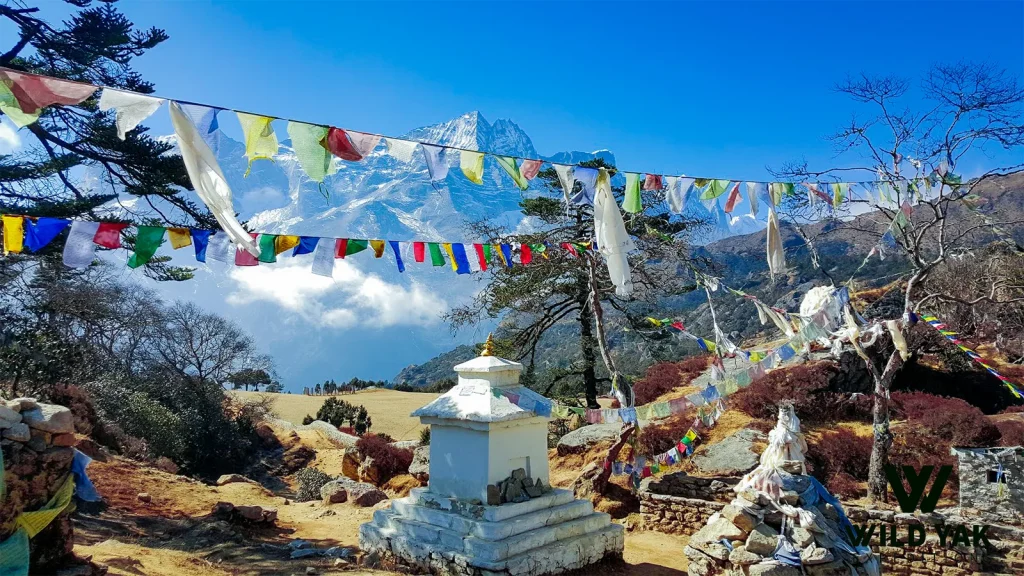
Over the years, I have learned that many trekkers focus too much on their legs and not enough on their lungs. They spend months preparing physically but give little thought to how their bodies will react above 3,500 meters. This is why acclimatization days exist. They give the body time to adjust to conditions it was never designed for.
As we climb toward the Everest View Hotel, I watch people carefully. Some are energetic and talkative. Others have become quieter than usual. Small changes in behaviour often tell me more than any medical device.
One of the first things I notice is appetite.
Many trekkers assume that altitude sickness begins with a severe headache. Sometimes it does, but often the first sign is much smaller. A person who was hungry yesterday suddenly loses interest in food. Someone who was energetic becomes withdrawn. These subtle changes are often more important than people realize.
The trail climbs steadily above Namche, and eventually the view opens. This is the moment many trekkers have dreamed about for years. Everest appears on the horizon. Not as a photograph nor as a documentary and not as a social media post. The actual mountain.
I have watched people stand silently for several minutes after seeing Everest for the first time. Some smile. Some become emotional. A few simply stare without saying anything at all. Even after summiting Everest Seven times, I still stop when the mountain comes into view. Certain sights never lose their power.
The interesting thing is that many visitors expect Everest to dominate the skyline. Instead, they are often surprised by Ama Dablam. Its shape is so elegant and dramatic that it immediately captures attention. Many trekkers tell me afterward that Ama Dablam became their favourite mountain of the entire trek.
I understand why. There are few peaks in the world that possess its beauty.
The Difference Between How Trekkers See The Trail and How Sherpas See It
When trekkers walk through the Everest region, they naturally focus on the scenery. They notice snow-capped peaks, suspension bridges, monasteries, and valleys.
Sherpas notice different things. We notice the weather, we notice clouds forming around peaks, the changes in wind direction. And we notice how people walk, how they breathe, and how quickly they recover after climbing. Years spent in the mountains teach you that small details matter. A change in weather can affect tomorrow’s trail conditions. A slight headache can become a serious problem if ignored. A simple decision made at 3,500 meters can have consequences at 5,000 meters.
Experience teaches you to pay attention. This awareness is difficult to explain to people who have not spent years in the Himalayas. It develops gradually through thousands of days spent in mountain environments. The mountains are always communicating. The challenge is learning how to listen.
Namche to Tengboche: The Day The Himalayas Truly Reveal Themselves
The trail from Namche Bazaar to Tengboche is one of my favourite sections of the Everest Base Camp Trek. Not because it is easy. Not because it is difficult. But because it perfectly captures the spirit of the Khumbu.
The morning begins with a spectacular traverse high above the valley. To one side stand Everest, Lhotse, and Nuptse. To the other rises Ama Dablam, one of the most beautiful mountains in the Himalayas.
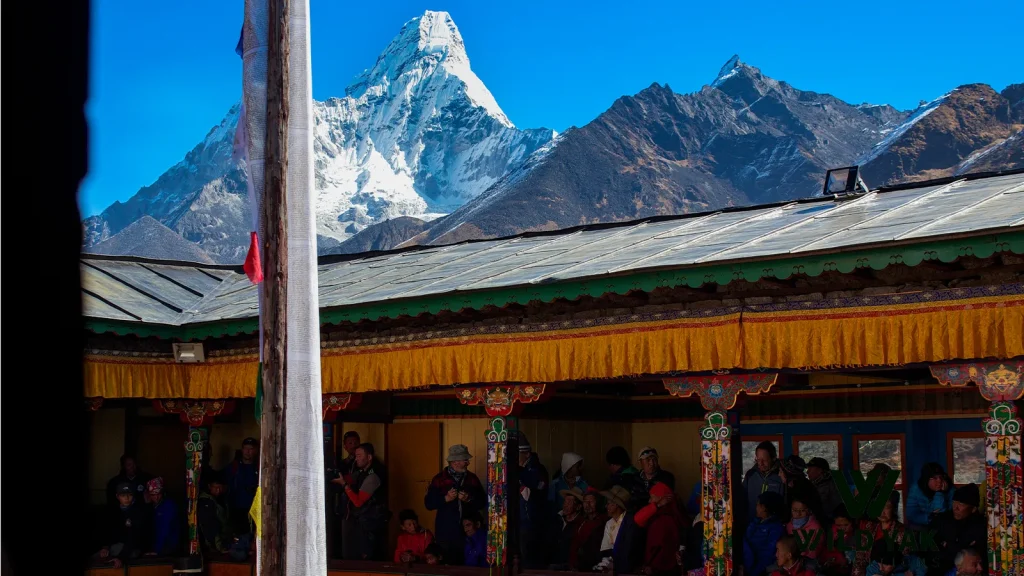
This section often becomes the most photographed part of the entire trek. Every few minutes somebody stops. Another photograph, another viewpoint. another attempt to capture what the eyes are seeing. The problem, of course, is that photographs never quite succeed. The scale of the Himalayas is something that can only be experienced in person.
After descending to the river, the trail climbs steadily toward Tengboche. By this point, altitude begins making itself felt. The climb is not technically challenging, but it requires patience. Once again, the mountain reminds trekkers that speed is rarely rewarded. When we finally reach Tengboche, the monastery dominates the landscape. For many visitors, it is simply another beautiful landmark.
For Sherpas, it carries much deeper meaning. Before many Everest expeditions, climbers gather here to receive blessings. Monks conduct ceremonies that ask for safe passage through the mountains. Prayer flags flutter above the monastery while chants echo through the valley.
I have participated in many of these ceremonies throughout my career.
They serve as a reminder that for local people, these mountains are not merely adventure destinations. They are sacred places. Growing up in the Himalayas teaches you a different relationship with mountains. We respect them because we understand their power, we admire them because we live alongside them, and never assume they owe us success simply because we want it badly enough.
Perhaps this is one of the most valuable lessons the Everest region offers. The mountains teach humility. And humility is often the difference between a successful journey and a disappointing one.
Tengboche: A Place That Changes People
That evening in Tengboche, I often notice a shift within trekking groups. The excitement that dominated Lukla has transformed into something else.
Respect.
The mountains are bigger than people expected. The distances are longer than they imagined. The altitude is becoming real. For the first time, Everest Base Camp no longer feels like an abstract goal. It feels like a place they must genuinely earn. And that realization changes everything.
Tomorrow we leave the forests behind and move into a harsher world of rock, ice, and thinner air. The trail ahead leads to Dingboche, where the mountain begins asking much more serious questions than it has so far.
Tengboche to Dingboche: Where The Mountain Stops Being Friendly
The morning we leave Tengboche behind, something changes.
The forests begin thinning. The towering pine trees that accompanied us for days gradually disappeared. The air feels colder, drier, and sharper. The landscape becomes less forgiving. Every step takes us deeper into a world where nature sets the rules and human beings are merely visitors.
I have always felt that Dingboche marks the beginning of the real Everest Base Camp Trek. Before Dingboche, trekkers are still adjusting to mountain life. After Dingboche, the mountain starts demanding respect. The trail passes through Pangboche, one of the oldest Sherpa settlements in the Khumbu. Every time I walk through the village, I think about how many generations have lived here beneath Ama Dablam. Long before trekking companies, mountain tourism, or expedition logistics existed, families survived in these harsh conditions through resilience, hard work, and an intimate understanding of the mountains.
For visitors, Pangboche is a beautiful village. For Sherpas, it is part of our history. As we continue climbing, Ama Dablam remains visible for much of the journey. Many trekkers become obsessed with photographing it. I understand why. Few mountains possess such a perfect shape. Yet while trekkers look at the mountains, I often find myself looking at them. Years of guiding have taught me that altitude begins revealing itself around this stage of the trek.
People laugh less. They speak less. They become more focused on their breathing. Even experienced trekkers begin understanding that Everest Base Camp cannot be reached through determination alone. The body must cooperate. And sometimes it doesn’t.
Dingboche: The Place Where Guides Earn Their Experience
If somebody asked me where altitude sickness truly begins to become a concern, I would say Dingboche. This is where I start paying very close attention. Not because everyone becomes sick. Because this is where small mistakes start becoming expensive.
One thing many trekkers don’t understand is that altitude sickness rarely arrives dramatically. Movies and documentaries often show dramatic rescues and severe symptoms. In reality, problems usually begin quietly.
A person who normally finishes dinner leaves half their plate untouched. Someone who was energetic yesterday suddenly becomes unusually quiet. A mild headache appears and refuses to go away. Sleep becomes difficult. Energy disappears. These are the signs experienced guides watch for. I often tell trekkers that altitude sickness is easier to prevent than to treat. By the time severe symptoms appear, the mountain has already been giving warnings for hours or even days. This is why experience matters. It is not enough to know the trail. A guide must know people.
They must recognize subtle changes before trekkers recognize them themselves. After guiding countless journeys through the Khumbu, I can often tell who is struggling before they say a single word. That ability comes from years in the mountains, not from a textbook.
The Acclimatization Hike Most People Underestimate
The acclimatization day in Dingboche is one of the most important days on the entire trek.
Ironically, it is also one of the least appreciated. Many trekkers ask me why they must climb higher only to return and sleep at the same altitude. The answer is simple. The body adapts through exposure. The mountains do not care what feels logical. They only care about physiology.
As we hike above Dingboche, the views become increasingly dramatic. The valleys widen. Snow-covered peaks dominate every horizon. The scale of the landscape begins making people feel very small.
And perhaps that is one of the reasons I love this region. The Himalayas remind us that we are not the center of the world. We are temporary visitors moving through something far greater than ourselves.
Dingboche to Lobuche: The Emotional Turning Point
If Dingboche challenges the body, Lobuche often challenges the mind.
The trail climbs gradually toward Thukla before reaching one of the most emotional locations in the Everest region. The memorials. Every time I pass them, I stop. Not because the itinerary requires it. Because respect requires it. The stone memorials scattered across the hillside honour climbers and Sherpas who lost their lives in the mountains.
Many trekkers arrive expecting Everest to be a story about achievement. The memorials remind them that Everest is also a story about sacrifice. I have lost friends in the mountains. Many Sherpas have. Anyone who spends enough time around high-altitude climbing eventually understands that success is never guaranteed. The mountains can be generous. The mountains can also be unforgiving. The memorials stand as a reminder of both truths. For many trekkers, this is the moment Everest stops feeling like a distant dream and starts feeling real. The scale of the mountain suddenly becomes more than physical. It becomes emotional.
Lobuche: The Night Before Everything Changes
The evening in Lobuche is unlike any other night on the trek.
The air is thinner. The temperatures are colder. The excitement is mixed with anticipation. Everyone knows they are close. Tomorrow we will reach Gorakshep and continue toward Everest Base Camp. Conversations during dinner are different from earlier in the trek. People speak less about scenery and more about the journey itself.
The mountain has already begun changing them. Some are stronger than when they arrived while some are more patient. Some have discovered confidence they didn’t know they possessed. Others have learned humility. All of them have learned something. The Everest region has a way of doing that. As I prepare for sleep, I often think about how many times I have walked this trail. Despite the years, despite the expeditions, despite the Everest summits, I still feel the same anticipation. Tomorrow we enter the final chapter of the journey.
Tomorrow we walk into the shadow of the Khumbu Icefall and stand at the foot of the world’s highest mountain.
Lobuche to Gorakshep: Walking Into The Shadow Of Everest
The morning we leave Lobuche is usually colder than trekkers expect.
The air feels thinner than ever before. Simple tasks such as packing a backpack or climbing a short incline require more effort than they did only a few days earlier. At this altitude, the body is working constantly, even when standing still.
Yet despite the discomfort, excitement dominates the morning. After days of walking through the Khumbu, Everest Base Camp is finally within reach. The trail from Lobuche to Gorakshep is not technically difficult, but altitude changes everything. The landscape becomes increasingly barren, shaped by glaciers, wind, and ice. Vegetation disappears almost entirely. The mountains seem larger than ever because there is nothing left to distract from their presence.
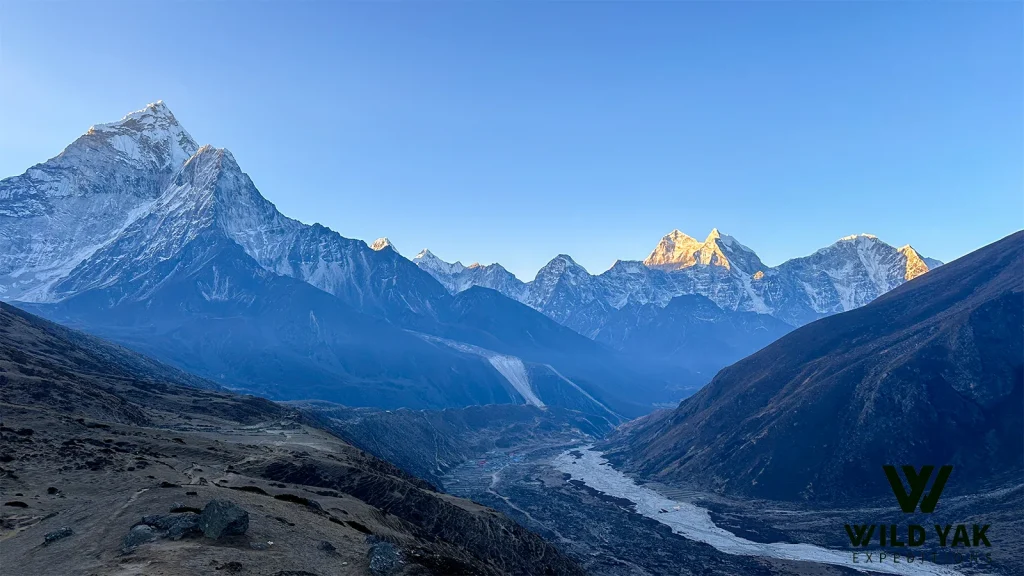
One of the most remarkable moments arrives when trekkers catch their first close view of the Khumbu Glacier. Photographs never prepare people for it. The glacier looks less like ice and more like a frozen river of stone stretching endlessly through the valley. It moves so slowly that it appears motionless, yet it is constantly changing beneath the surface.
I have stood beside the Khumbu Glacier countless times, and it still fascinates me. Every season it looks slightly different. Every season it reminds me that the Himalayas are alive. When we finally reach Gorakshep, there is little time to celebrate. The final push toward Everest Base Camp awaits. Many trekkers expect Base Camp to appear suddenly around a corner.
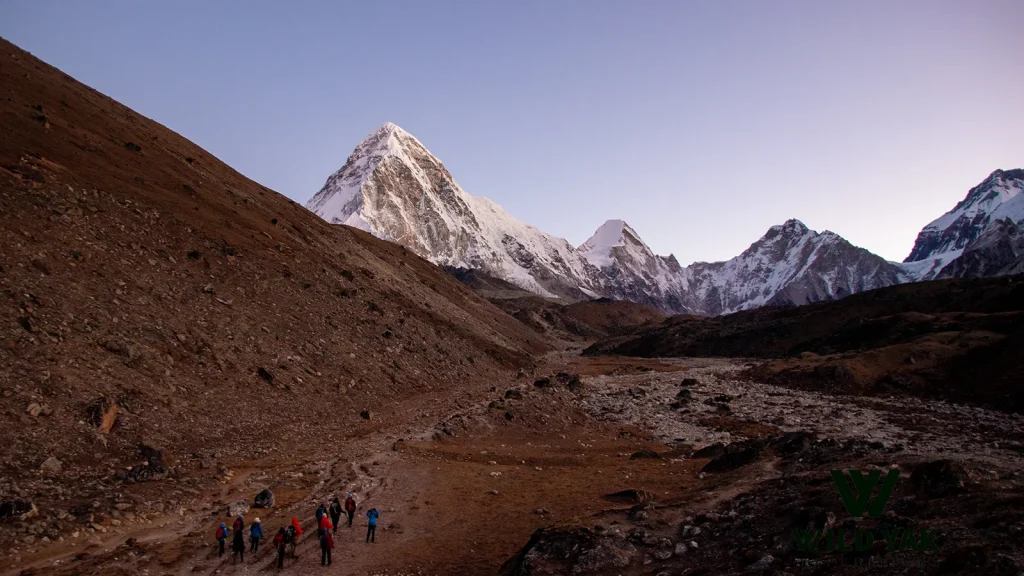
It doesn’t. The journey there feels longer than people imagine. Not because of distance. Because anticipation makes every step feel slower.
Everest Base Camp: The Dream And The Reality
When people imagine Everest Base Camp, they often picture a single dramatic viewpoint overlooking Mount Everest. The reality surprises them.
Everest Base Camp itself does not provide the classic panoramic view that many expect. The summit of Everest remains hidden behind surrounding mountains. What dominates the landscape instead is the Khumbu Icefall. And in my opinion, that makes the experience even more powerful.
The Khumbu Icefall is one of the most dangerous sections of the Everest climbing route. Every climber attempting Everest from Nepal must pass through it. Looking at its towering walls of ice, deep crevasses, and constantly shifting formations, people begin understanding the scale of what Everest climbers face above Base Camp. For trekkers, reaching Everest Base Camp often brings a mixture of emotions.
Over the years, I have watched countless reactions. Some people celebrate loudly while some sit quietly and absorb the moment. Some call family members and some cry. The tears are what stay with me. Not because reaching Base Camp is easy. Because every person carries a different story to the mountain. I have guided cancer survivors. People who lost loved ones. Individuals who spent years saving money for this journey. Parents fulfilling lifelong dreams.
When they stand at Everest Base Camp, they are not simply reaching a destination. They are proving something to themselves. That is why the moment becomes emotional. As for me, standing at Everest Base Camp never feels routine. Every visit reminds me how fortunate I am to spend my life in these mountains. Every visit reminds me why people travel from around the world to experience this place. And every visit reminds me that Everest has the power to inspire people long before they ever see its summit.
The View Most Trekkers Remember Forever
Ironically, the best view of Everest is not from Everest Base Camp.
It is from Kala Patthar. The following morning, before sunrise, we begin the climb. This is often the coldest part of the entire trek. The air bites at exposed skin. Headlamps illuminate the trail ahead. Trekkers move slowly, conserving energy as they climb higher. Yet nobody complains. Everyone knows what awaits. As dawn approaches, the first sunlight begins touching the highest peaks in the Himalayas. The transformation happens quickly. Dark silhouettes become glowing giants. Shadows retreat across the valleys.And then Everest appears in full view.
I have seen this sunrise many times. I still stop and watch. There is something extraordinary about witnessing the highest mountain on Earth illuminated by the first light of day. At that moment, the weeks of planning, the flights, the training, the long days of walking, and the challenges of altitude all become worthwhile.
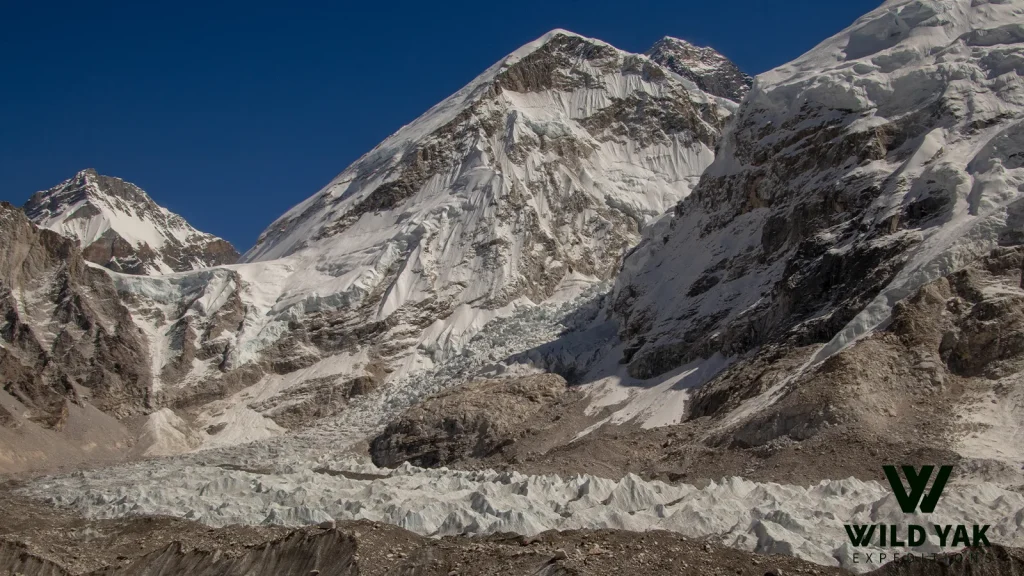
For many trekkers, this becomes the defining memory of the entire Everest Base Camp Trek.
Not Base Camp itself.
And Not Lukla.
Not even Namche.
Kala Patthar.
Because this is where Everest finally reveals itself completely.
What Everest Has Taught Me After Seven Summits
People often ask what I have learned after summiting Everest nine times. The answer usually surprises them. The mountain has not taught me how strong I am. It has taught me how fortunate I am to be still alive, when many of my Sherpa friends perished in the mountains. It has taught me how small I am. Every expedition reminds me that success is never guaranteed. The mountains do not reward ambition alone. They reward preparation, patience, teamwork, humility, and respect. The strongest climber does not always succeed. The fastest trekker does not always reach their goal most comfortably.
The people who thrive in the mountains are usually those who learn to adapt. They listen and they respect the environment. They trust the process. And they understand that some things cannot be rushed. Those lessons apply far beyond the Himalayas. Perhaps that is why so many people return home from Everest. They arrive looking for a mountain.
They leave with a different perspective on life.
A Final Thought From The Trail
After decades in the mountains, I still believe the Everest Base Camp Trek is one of the greatest journeys a person can undertake. Not because of Everest nor the altitude. Not because it appears on a bucket list. It is extraordinary because it strips life back to its essentials.
Each day becomes simple. Walk, Eat, Rest, Appreciate, Connect.
In a world that constantly demands more attention, more speed, and more distractions, the Everest trail offers something increasingly rare.
Clarity.
Perhaps that is why people travel from every corner of the world to stand beneath these mountains. And perhaps that is why they leave carrying something much more valuable than photographs. They leave carrying memories, lessons, and a deeper understanding of themselves. For me, that has always been the true purpose of the journey.
Everest Base Camp is not the destination.
It is simply where the lesson becomes impossible to ignore.
About Norbu Sherpa
Norbu Sherpa was born in Ghunsa beneath Mount Kanchenjunga and is one of Nepal’s most accomplished mountain guides. He has successfully summited Mount Everest Seven times and climbed Cho Oyu, Dhaulagiri, Manaslu, Gasherbrum II, Shishapangma, Ama Dablam, Baruntse, Himlung Himal, and numerous other Himalayan peaks. He has been featured in international publications including The New York Times, SPIEGEL, SRF Switzerland, DW, and the award-winning documentary Sherpas: The True Heroes of Mount Everest.
Today, Norbu leads expeditions and trekking journeys across the Himalayas through Wild Yak Expeditions, sharing decades of mountain experience with adventurers from around the world.


